Crib mattresses are designed to provide a safe, supportive sleeping surface for infants, with attention to firmness, off-gassing, and materials. A well-chosen crib mattress supports development by maintaining spinal alignment and reducing the risk of suffocation or entrapment. Key features often include reinforced edges, waterproof covers, and toxin-free construction to promote a healthy nursery environment.
Material composition matters for durability and care in a baby’s sleep space. Many crib mattresses use soy-based foams, latex, or innerspring cores paired with vinyl-free, easy-to-clean covers. Priortizing breathable fabrics and edge-to-edge support can help regulate temperature and prevent sagging over time, contributing to long-term usability and safety.
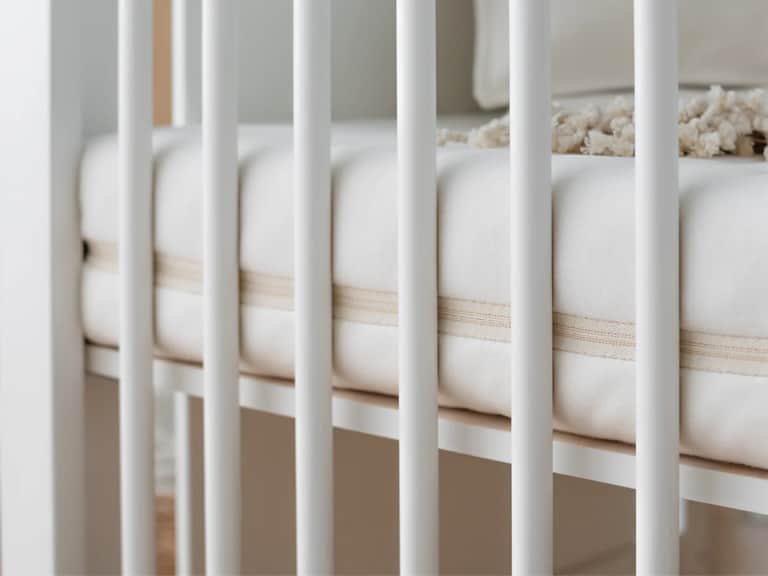
In this category, the Obasan Organic Crib Mattress stands out for its emphasis on natural materials and hypoallergenic properties. It typically features organic cotton covers, natural latex cores, and low-VOC certification, which collectively support respiratory comfort and reduce exposure to synthetic additives during infancy and early development.
Understanding compatibility is essential when selecting a crib mattress, including standard crib dimensions, waterproofing needs, and replaceability. A firm, flat sleeping surface with a washable cover facilitates hygiene and quick cleanup after spills, diaper leaks, or nighttime accidents, while still offering a comfortable, supportive base for baby growth.
Key concepts for crib mattresses also intersect with broader nursery bedding considerations, such as breathable crib sheets and appropriate closures that avoid loose parts. Integrating knowledge about nursery safety, care routines, and material choices helps caregivers assess suitability, durability, and overall suitability for a healthy sleeping environment.
 Nursery